
Sport is an overlooked platform for philanthropy
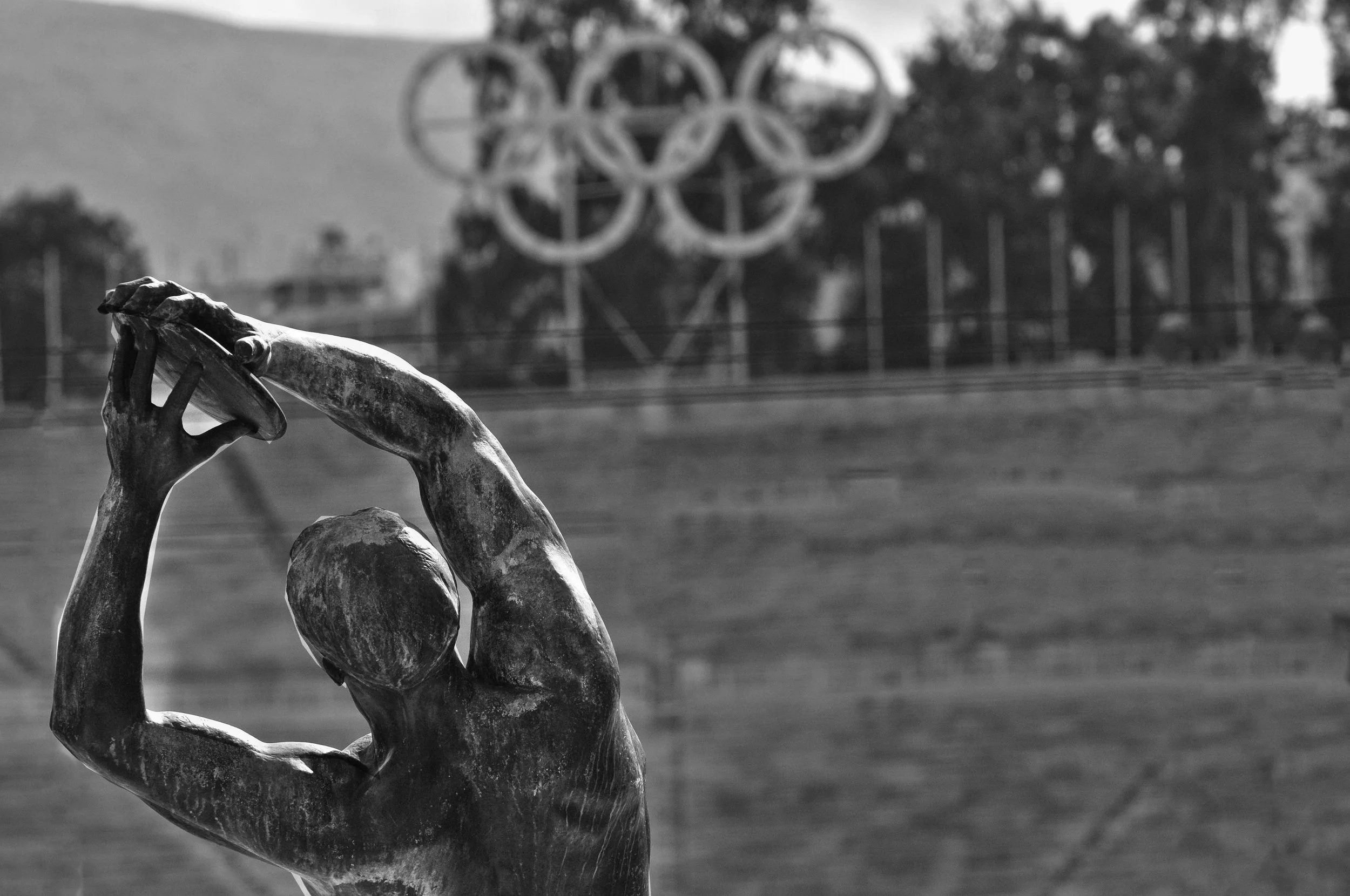
Philanthropists should think about sport the way they already think about art
Art and culture have long offered philanthropists a way to express their values and create lasting legacies.
Over time, collections have become foundations, which have become institutions. The Frick, the Broad, the Guggenheim are family legacies made permanent. The Frank Gehry-designed Guggenheim in Bilbao anchored the regeneration of the city.
In comparison, sport is typically seen as less of a philanthropic vehicle, but may actually offer a greater opportunity.
The opportunity for impact in sport
Sport has scale and reach. Football clubs, cricket franchises and motorsport reach millions across age, class and geography.
Teams are often focal points in areas where social issues are most concentrated – in cities, in communities with high youth unemployment, in places where public services are stretched and civic trust is low.
Clubs command deep, durable loyalty, often closely related to a place. Research from More in Common reports that highly engaged sports fans demonstrate higher levels of community action and civic engagement.
Sport also reaches communities that are otherwise hard to access, through relationships with schools, local authorities, health services and youth organisations.
This combination of reach, trust and local infrastructure makes sport an unusually powerful vehicle for social change.
For example, if you cared about youth opportunity, health, local regeneration and women’s participation in sport, why not invest in women's football as a high-impact platform for those goals?
What this could look like in practice
While there is no single logic, a handful of examples illustrate what this might look like in practice. They are instructive precisely because they remain rare.
In each case, the relationship between sport and philanthropy goes beyond conventional CSR. It shapes how the principal uses their assets, profile or influence.
Arthur Blank is the co-founder of The Home Depot in the US. He owns the Atlanta Falcons and Atlanta United and manages these teams with the same values and approach as the Arthur M. Blank Family Foundation, which has granted over $1 billion since 1995. The clubs are central to that vision, not separate investments. In this model, sports ownership and philanthropy share a philosophy that is place-based and integrated.
Paul Allen, a Microsoft co-founder, took almost the opposite approach to Blank. His sports ownership was ultimately an asset to fund his philanthropy. His will instructed that his teams – the Seattle Seahawks, the Portland Trail Blazers and a stake in the Seattle Sounders – be sold on his death to fund his foundations, treating the portfolio as a philanthropic endowment.
In India, Nita Ambani owns the Mumbai Indians and is a founder of the Indian Super League. As a member of the Ambani family, she has made sport a central pillar of her philanthropic strategy. This portfolio spans education, health and women's empowerment. Its Education and Sports for All programme has reached tens of thousands of children.
Lewis Hamilton offers a different model, with the athlete as principal. Many athletes have charitable foundations, but Hamilton has used his global reach and personal authority to convene and advocate for issues he cares about.
His Mission 44 foundation, launched in 2021 with £20 million of his own money, works to widen life chances for under-represented young people through STEM and motorsport. Mission 44 has since formalised a partnership with Formula 1.
While ownership is the most consequential version of the philanthropic opportunity, Hamilton shows it is not the only one. His model combines Hamilton’s profile, voice and convening power with specialist partners capable of changing education and employment pathways.
In every case, sport is not a side project, but a platform for impact. Visible, rooted, emotionally powerful and serving a wider ambition.
Philanthropists should think differently about sports ownership
In the US, the integration of sports ownership and philanthropy is relatively established. In the UK and much of Europe, it remains rarer and less explicit.
Investors acquire clubs for returns, status or ambition, but seldom with an explicit philanthropic rationale. The potential is significant and largely untapped.
Women’s sport offers a significant opportunity, particularly women’s football. Many of its institutions are still being built. Investors can shape governance, community purpose and commercial development together, rather than attaching a social programme to a mature institution after acquisition.
Together, these examples suggest four principles for philanthropists considering investment in sport.
1. Purpose is defined before the investment, not after.
Purpose precedes the asset. Blank knew what he wanted to achieve in Atlanta. Ambani's development goals shaped how the Mumbai Indians was structured, not the reverse.
2. Impact is embedded, not cosmetic.
The opportunity is to embed purpose in how the institution is governed and how it measures success, beyond a foundation giving grants. This is the difference between a club that does community work and a club that is a community institution.
3. Impact is measured and reported.
Sport has historically been poor at demonstrating its social value. This is changing. Some Premier League clubs are publishing increasingly sophisticated impact reports, while models such as SailGP’s Impact League and the British Paralympic Association’s theory of change reflect a greater commitment to impact and learning. Measurement matters because it turns an owner’s intentions into an institutional commitment that can survive changes in leadership, performance and ownership.
4. The leaders are engaged.
The social purpose cannot be delegated entirely to a club foundation or CSR team. Owners and principals use their authority, profile and decision-making power to sustain the mission. For families, this can also give the next generation meaningful responsibility for a shared civic legacy.
Looking at these four principles together, a useful test for a club might be:
If a serious philanthropist asked your board to articulate what your club stands for beyond sport, and how you measure it, how confident would you be in the answer?
Sport as civic stewardship
In art and culture, philanthropists have built institutions around assets they own. Sport offers something different: the opportunity to invest in institutions that are already embedded in communities—and that communities already feel they own.
That makes sport a potentially powerful philanthropic vehicle, but it also places a higher burden on owners and investors. Sport's civic power depends on trust, and that trust is not transferred automatically with the asset. The money now flowing into sport should be deployed with the same strategic intent that the best philanthropists bring to their giving. This means clarity of purpose, genuine accountability, and governance that communities can actually see. Doing it badly, or cynically, might be worse than not doing it at all.
The challenge is not simply to acquire an asset and attach a charitable purpose. It is to steward an existing civic institution, using capital, influence and governance to strengthen both its sporting future and its value to the community around it.
At Firetail, we work on purpose and impact strategy.
If you're a sporting organisation trying to attract or structure a philanthropic relationship, or a funder considering sport as a platform for impact, we'd welcome a conversation about how to make that work in practice
Read more about our work in sport, or email mail@firetail.co.uk to explore how we can help.